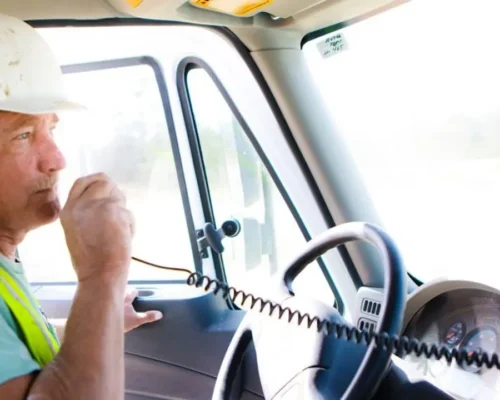
Accountability on a construction project is often described as a field problem: crews need to follow the plan, record their time, and finish assigned work. That is only half of it.
Leaders also make commitments. They promise clear priorities, workable schedules, available equipment, timely decisions, and support when conditions change. When either side misses its part, the project pays for it.
Define what each side owes the other
Vague expectations create vague accountability. “Keep the job moving” sounds reasonable, but it does not tell a supervisor what information to report or when a project manager needs to respond.
Set concrete commitments around the moments that affect the work. For example:
- The office publishes approved crew and equipment assignments before the shift.
- Supervisors update task status by an agreed time.
- Crew members submit complete time records each day.
- Managers respond to blocked work within a defined window.
- Equipment issues are recorded as soon as they are found.
These expectations should match the pace and complexity of the job. The important part is that everyone knows what a complete handoff looks like.
Make the plan visible
People cannot be accountable to a plan they cannot see. Crews need current assignments and priorities. Managers need field updates that show what has changed.
A shared project system gives both groups the same reference point. Instead of debating which text or spreadsheet is current, the team can discuss the work itself: what was assigned, what was completed, and what is blocking the next step.
Separate a bad outcome from a broken process
Not every missed target is a performance problem. A task may slip because the required asset was unavailable, another trade was late, or a decision did not reach the field. Good accountability asks what happened before deciding who is at fault.
Review the sequence of events. Was the assignment clear? Did the crew flag the issue? Did leadership respond? This approach finds process failures that would otherwise repeat on the next job.
Close the loop
Updates only help when someone acts on them. If supervisors report problems and nothing changes, they will stop reporting. If managers repeatedly chase incomplete timecards or task updates, trust erodes in the other direction.
Use a regular review rhythm to resolve open items and reinforce the standard. Daily standups can handle immediate blockers. Weekly project reviews can address schedule drift, recurring equipment problems, and gaps in the workflow.
Two-way accountability is not about watching people more closely. It is about giving each role clear commitments and a reliable way to keep them. CrewView connects assignments, time, project tasks, and equipment records so leaders and crews can work from the same operational picture. See CrewView in action.