Setting Up Tool Tracking
Create a Tool Record the Field Will Maintain
Construction asset tracking works when the process is fast enough to follow every day. Decide what deserves an individual record, when responsibility changes, and which details managers will use.
Choose which tools to track individually
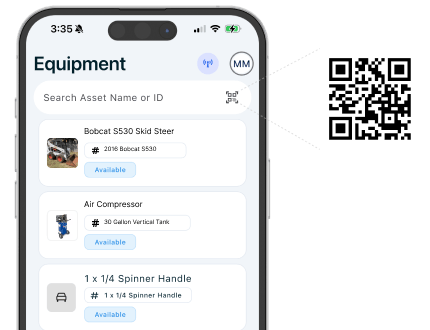
Start with tools that move often, cost enough to replace, or can stop work when they are missing. Record a consistent asset name, identifier, category, ownership status, and any documents the team needs. Small consumables may belong in grouped inventory, while power tools, survey equipment, generators, and specialty items usually need individual records. A focused inventory is easier to keep accurate than a database filled with items nobody checks.
Record transfers when responsibility changes
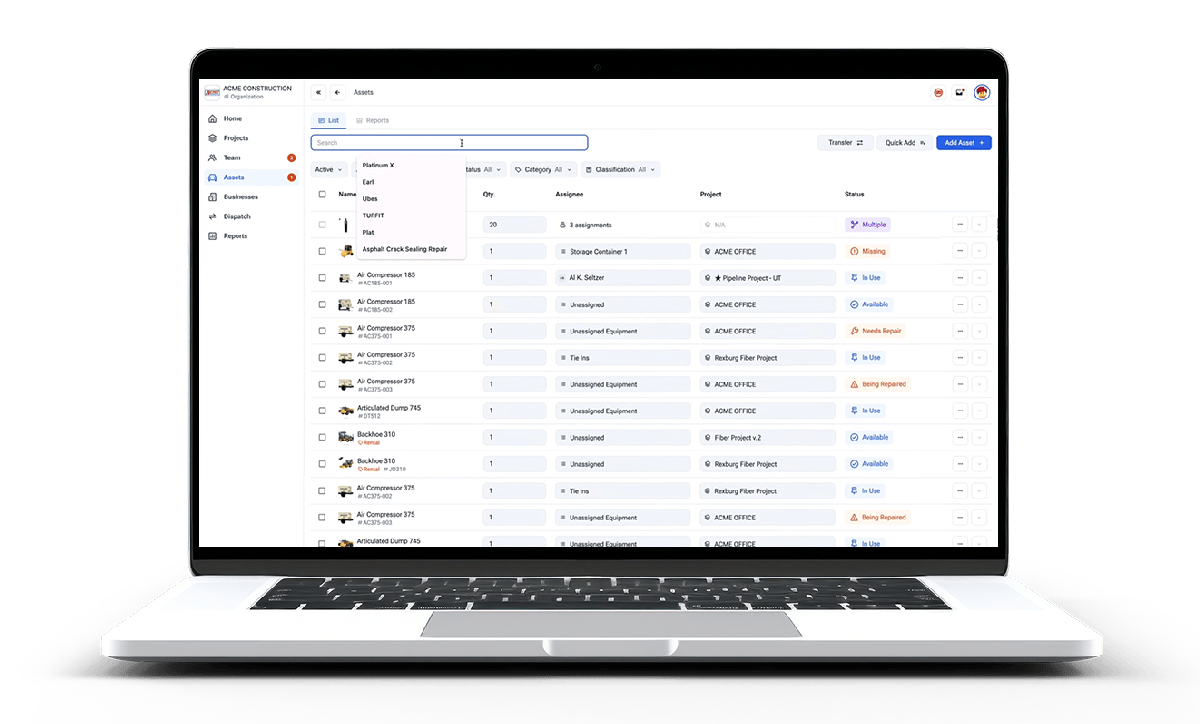
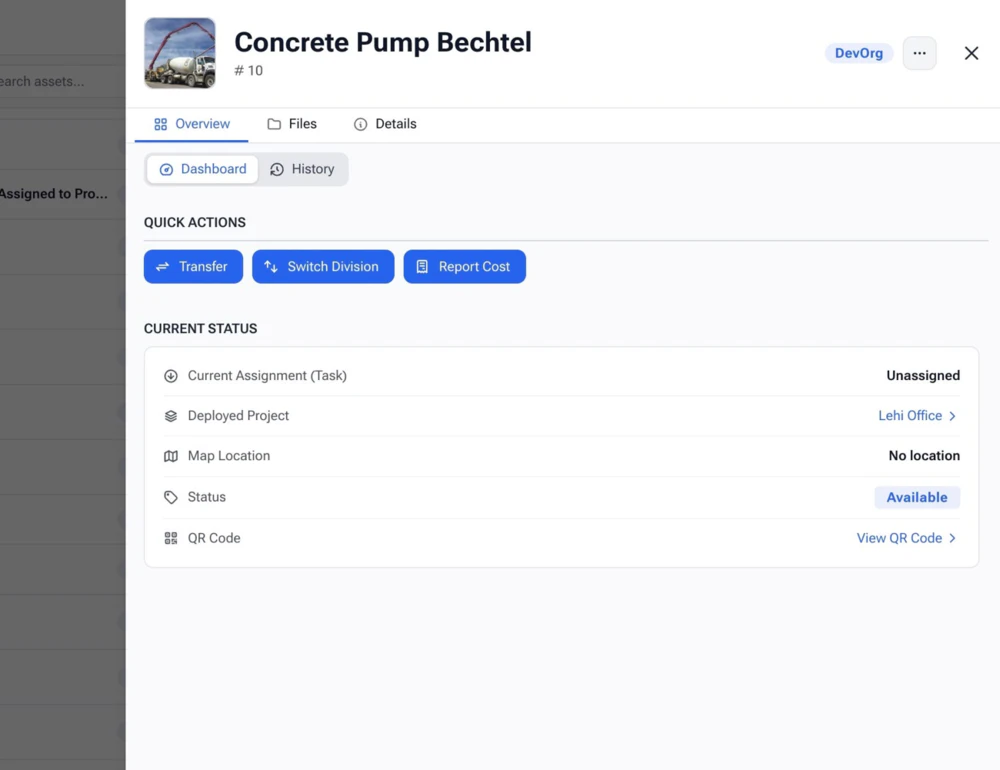
Define what counts as a checkout and who can approve a transfer. An assignment should name the employee, crew, project, or storage location responsible for the tool now. Update that record when the tool moves, not during a monthly cleanup. CrewView preserves the operating history, which helps managers answer who last had the item and whether it moved to another job without an updated paper sign-out sheet.
Use status to separate location from readiness
Knowing where a tool sits does not mean it is ready for work. Use clear statuses such as available, assigned, under repair, and out of service. Keep damage reports, inspections, and service notes with the asset. This stops a scheduler from promising equipment that the yard has already set aside for repair and gives the next user a better picture of its condition.
Audit the record and act on the history
Run field inventory checks often enough to catch weak handoffs. Compare the physical tool with its current digital assignment and correct discrepancies while the move is still recent. Over time, review which items disappear from the process, sit idle, or require repeated repair. Construction tool tracking software should help the company improve purchasing, rental, transfer, and maintenance decisions, not merely produce a longer inventory list.
Roll out one complete handoff first
Test the process with one crew, yard, or category of high-value tools. Follow an item through checkout, project use, transfer, inspection, and return. Watch where employees skip a step or need information the record does not provide. Fix that workflow before adding the entire inventory. A smaller accurate rollout gives the company a better foundation than importing thousands of assets into a process the field has not tested.