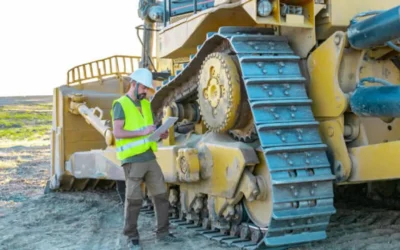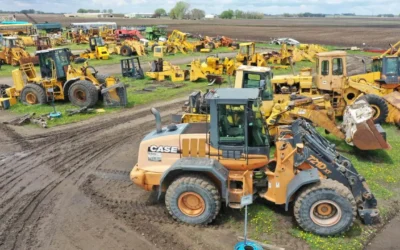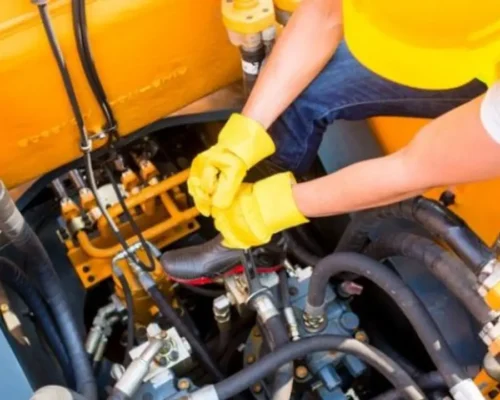
Equipment maintenance affects more than the repair budget. When a critical asset fails, the company may also pay for idle labor, schedule changes, emergency rentals, expedited parts, and missed commitments on other work.
Planned maintenance cannot prevent every failure. It can reduce avoidable surprises and give managers better information about the true cost of owning each asset.
Turn maintenance into scheduled work
List the inspections and service tasks required for each asset, along with the interval and responsible role. Use manufacturer guidance, operating conditions, regulatory requirements, and your own service history to shape the plan.
Then coordinate upcoming work with project assignments. If a machine is committed to a critical phase next month, schedule needed service before it moves to the site.
Preserve the service history
A maintenance record should show what was found, what work was completed, which parts were used, and when the next action is due. This history helps technicians diagnose repeat problems and gives managers evidence for repair-or-replace decisions.
It can also support resale conversations. A clear service record gives a buyer more information about how the asset was maintained, although condition and market demand will still determine value.
Make operators part of the process
Operators see equipment under working conditions. Give them a simple pre-use inspection process and a clear route for reporting defects.
Reports need a response. Someone should assess the issue, update the asset’s status, and communicate whether it remains available. If reports disappear into a notebook or text thread, operators may stop trusting the process.
Track the full cost of downtime
Repair invoices tell only part of the story. When practical, record the length of the outage, affected project, rental or transport cost, and labor disruption. This information helps identify assets whose operational cost is rising even when individual repairs appear manageable.
Use the record to decide what comes next
Review maintenance frequency, downtime, utilization, and upcoming project needs together. A lightly used asset with high repair cost may be a poor fit for the fleet. A heavily used asset may justify replacement before the next failure, even if it can still be repaired.
The right decision depends on your work and finances. Reliable records make that decision less dependent on memory.
CrewView keeps equipment assignments, status, maintenance schedules, inspections, documents, and service history in one place. Schedule a walkthrough to see how it can support your maintenance process.